Briefings

Briefings

Briefings

We bring together journalists and scientific sources to answer questions and discuss current issues. These can be face-to-face or virtual. Registration is required.

Desertification, biodiversity and climate: what to expect from the three environmental summits in 2026

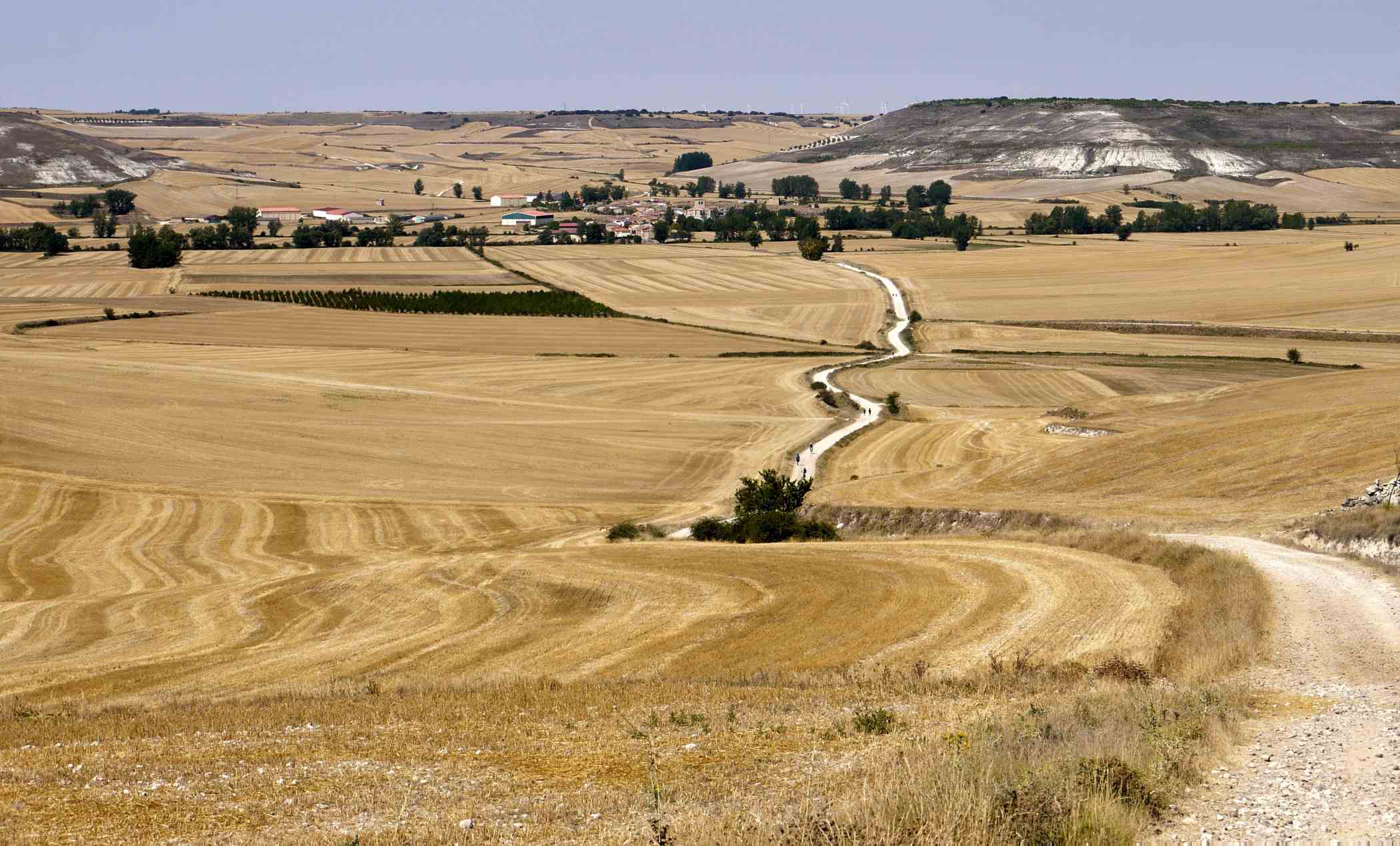
Next Monday, 17 August, COP17 on desertification gets underway in Ulaanbaatar (Mongolia). This is the first of three environmental summits to be held this year. The next event will be in Yerevan (Armenia), where the COP17 on biodiversity will be held from 19 to 30 October, and the year will conclude with the COP31 on climate change, which will take place in Antalya (Turkey) from 9 to 20 November and will be co-chaired by Australia. Why has there been no proposal for a single summit encompassing all three? Would a climate summit held every two years, like those on biodiversity and desertification, be more appropriate? With the United States out of the picture, who is leading them? To answer these and other questions, SMC Spain organised a briefing session with experts who have extensive experience of this type of summit.

0

As major fires rage, hospital admissions for respiratory problems are on the rise in Spain

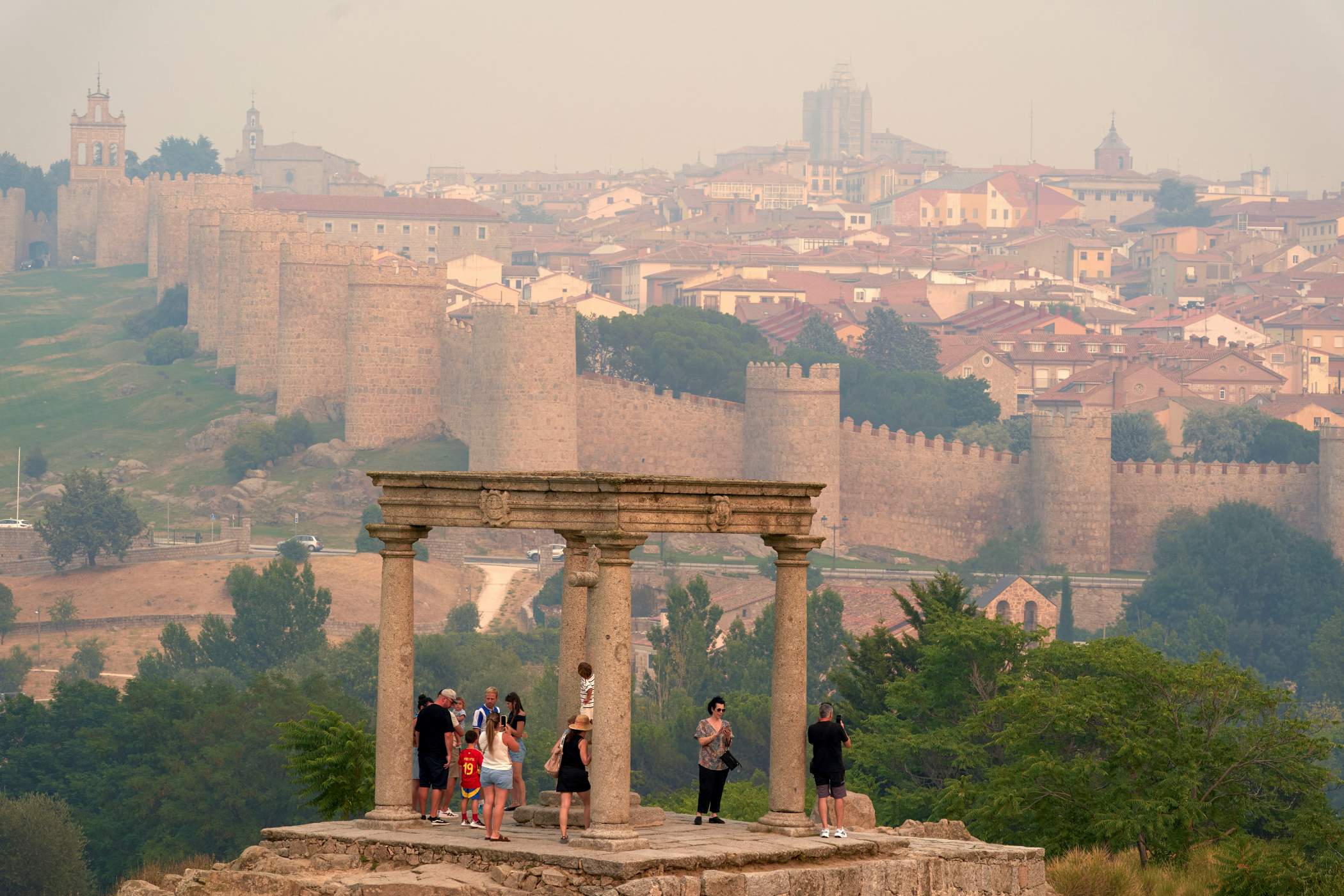
A study led by the Carlos III Health Institute (ISCIII) shows that, between 2013 and 2018, on days when fires were recorded, there was an increase in A&E admissions for respiratory problems in nine Spanish provinces. At a briefing organised by SMC Spain, Cristina Linares and Julio Díaz, the study’s authors and researchers at the ISCIII, explained the implications of the research and called for a surveillance plan, alongside the monitoring of these harmful particles and compounds, in the face of increasingly severe wildfires.

0

Most Spaniards believe that AI facilitates the spread of hoaxes, but almost a third use it to find out about science

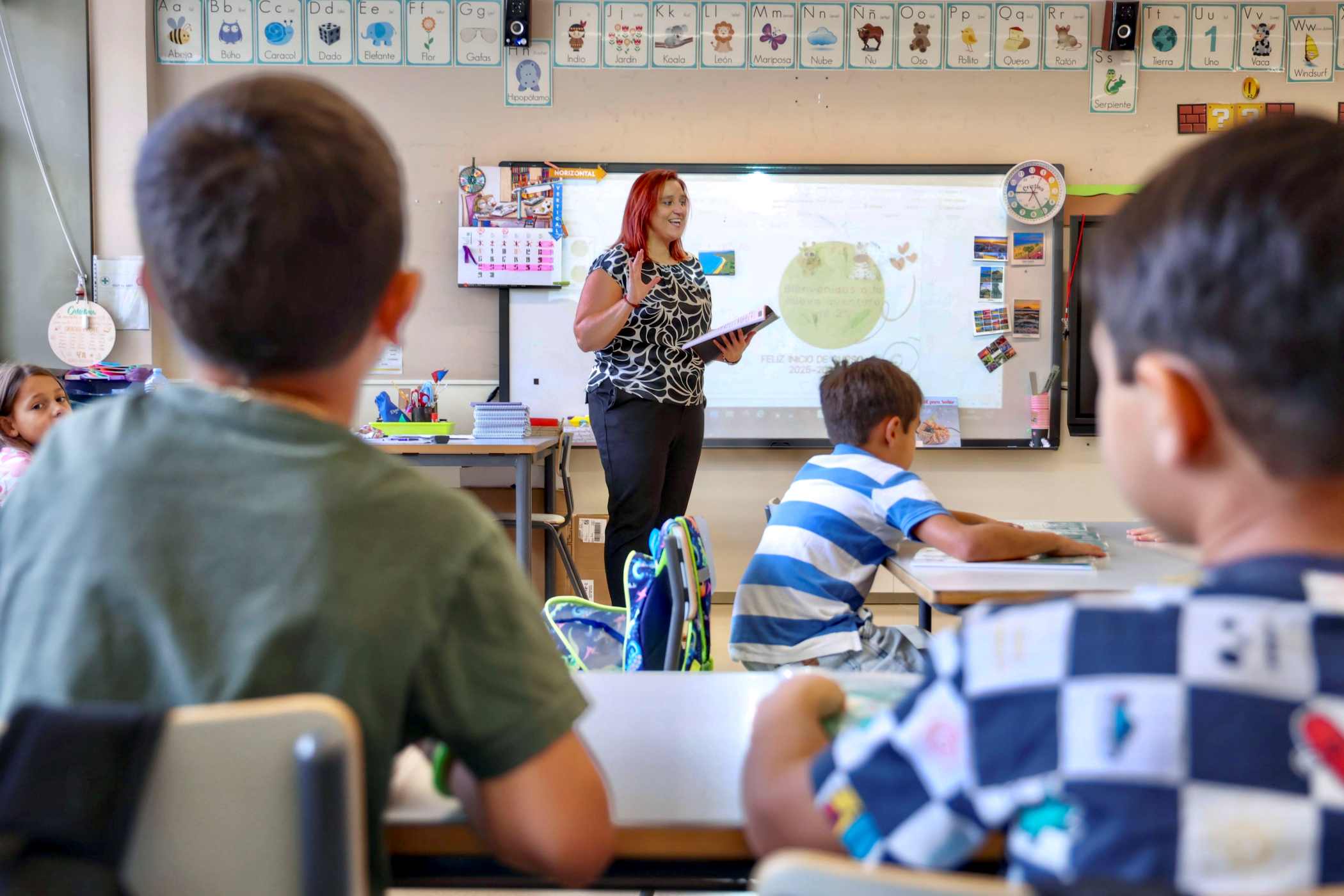
A briefing organised by the SMC presented the findings of the second edition of the study “Scientific Misinformation in Spain 2026”, carried out by FECYT. Among other findings, the report highlights that the perception of scientific misinformation has become normalised in areas of great everyday relevance such as diet, the climate and health.
0

Air Conditioning vs. Climate Change: Indispensable or Incompatible?

Air conditioning in buildings is necessary to combat the high temperatures of summers, which are becoming increasingly long and hot; however, it is not without controversy due to its energy consumption and environmental impact. Today, the WHO is presenting its new guidance on health and heat action plans, in which it acknowledges that air conditioning is problematic, while also emphasizing the need for vulnerable populations to have access to these systems. In a recent briefing organized by SMC Spain, we analyzed its role in the fight against global warming.

0

Part of the history of our cells is being rewritten; they arose from a complex alliance among microorganisms

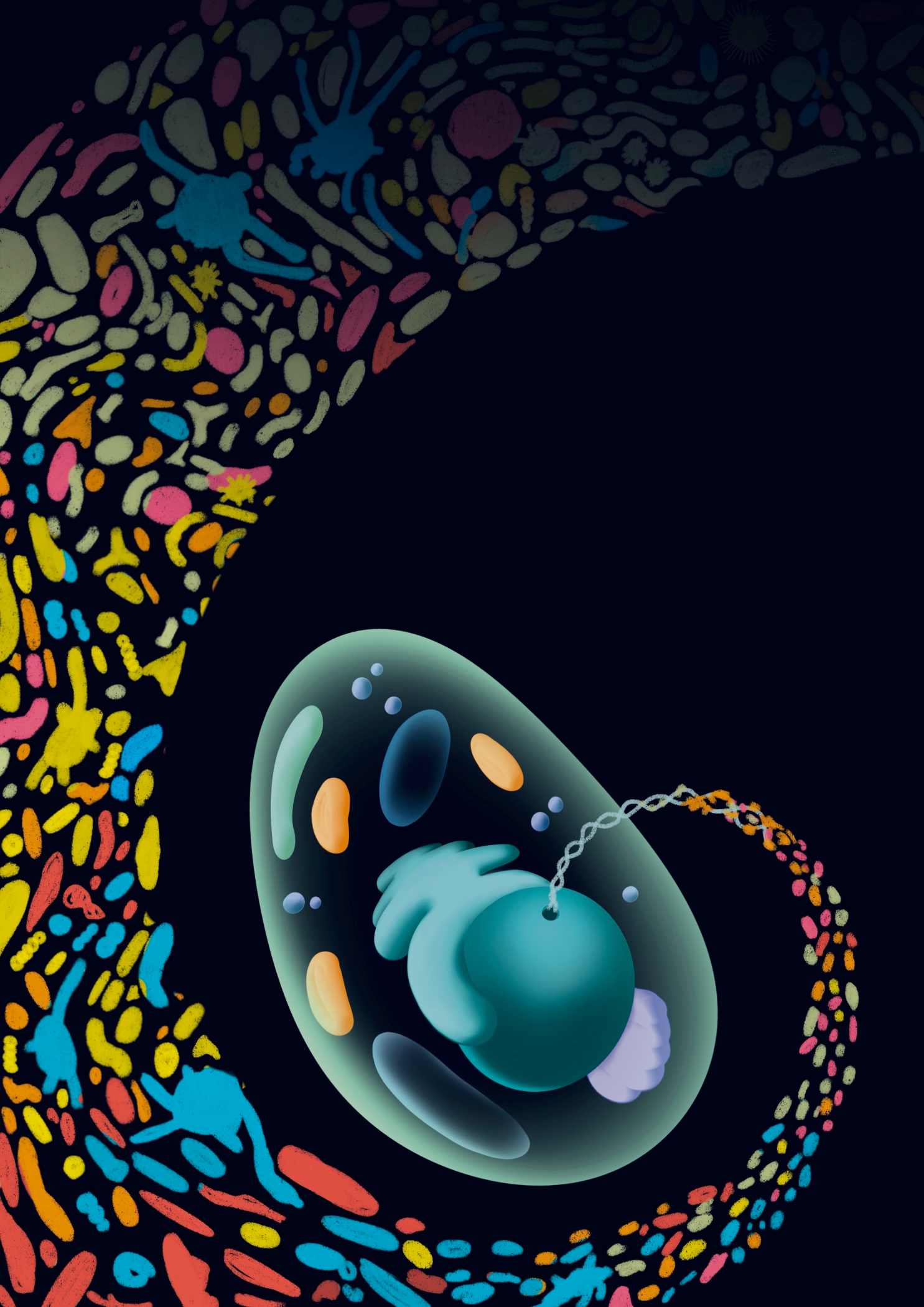
The origin and the process by which eukaryotic cells—the cells that make up animals, plants and fungi—first emerged remains one of the great unanswered questions in biology. The prevailing explanation, put forward by biologist Lynn Margulis, identified the union between an archaeon and a bacterium as the turning point. Now, a study carried out by IRB Barcelona and the Barcelona Supercomputing Center re-examines and expands on the current theory. The findings, published in the journal *Nature*, suggest that the process was longer and more complex than previously thought. At least two other different bacteria contributed to the development of eukaryotic cells, and giant viruses appear to have acted as vehicles for gene transfer. To explain the study, the Science Media Centre Spain organised a briefing with Toni Gabaldón, the lead researcher on the paper.


0

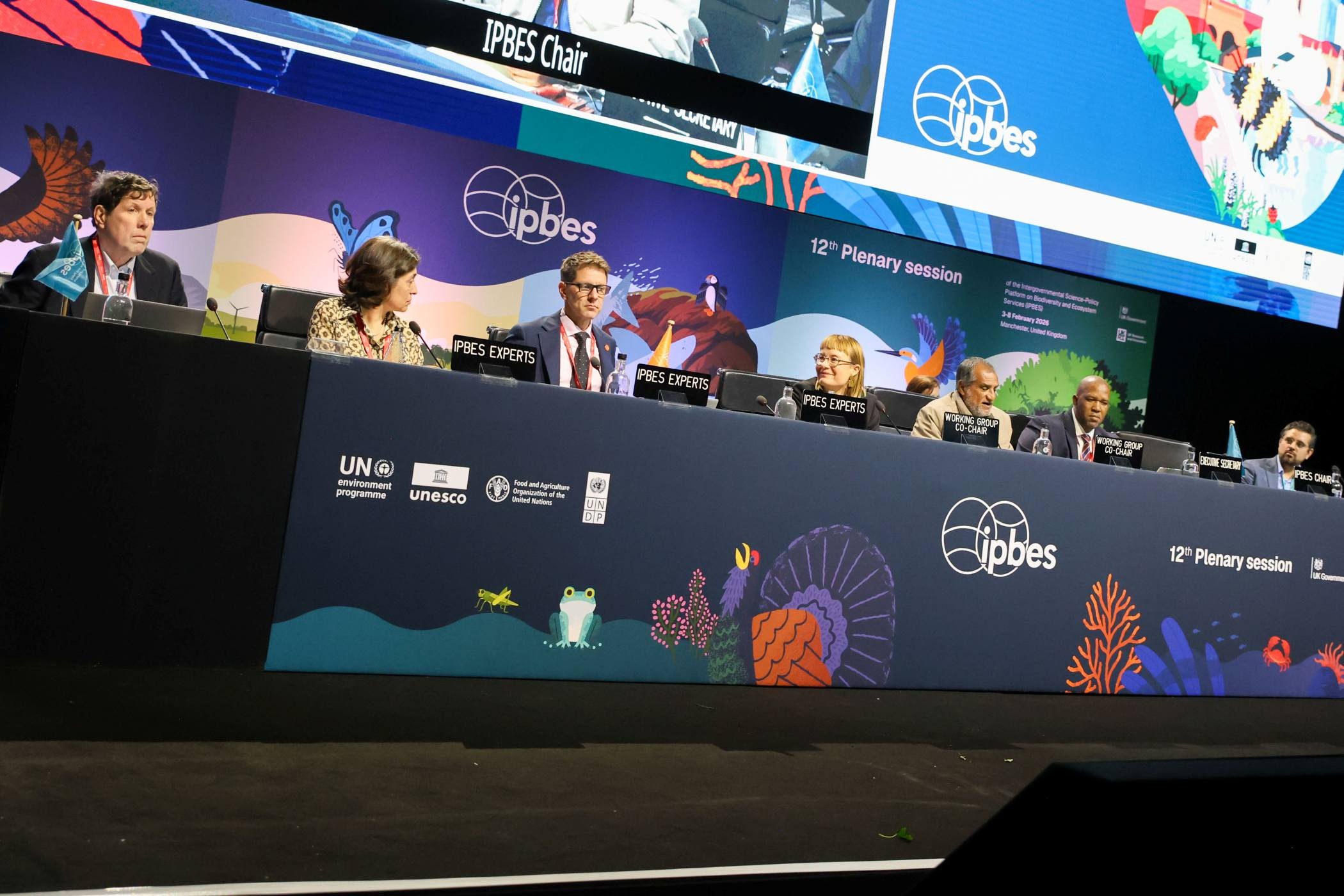
In light of biodiversity loss, a global report urges companies to also think long term

Meeting in Manchester (United Kingdom), the plenary session of IPBES (Intergovernmental Science-Policy Platform on Biodiversity and Ecosystem Services) ratified its Assessment on Business and Biodiversity, which presents data to understand the dependence and impact of businesses on nature and proposes more than 100 measures to improve the global situation. Three of its representatives explained the main results and proposals at a briefing organized by SMC Spain.

0

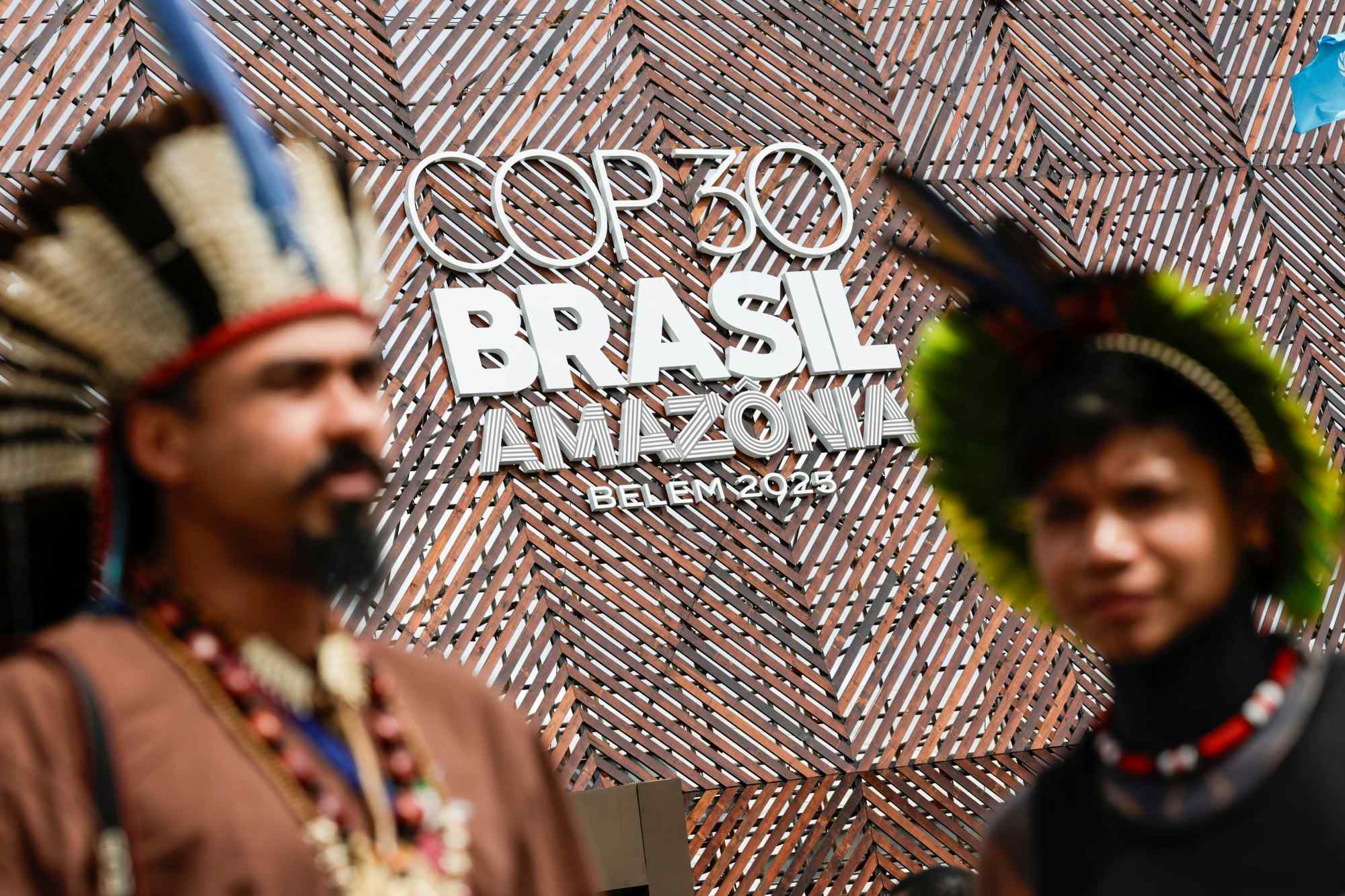
Pep Canadell: “Coal is once again contributing to the increase in emissions after the pandemic slowdown"

At the current rate of carbon dioxide emissions, the 1.5°C temperature increase limit set in the Paris Agreement will be exceeded in four years. This is one of the predictions of the Global Carbon Budget 2025, the global report on the carbon balance, now in its 20th edition, which will be presented at COP30 in Belém (Brazil). Pep Canadell, one of its authors, analyzed its findings at a briefing organized by SMC Spain.


0

Pollution and going back to school: how air quality affects children's health

A new school year has begun, and pollution, which exceeds recommended limits in many urban centres, will once again affect children and their families. What consequences could this have on health? How does climate change affect it? What solutions can be implemented? SMC Spain organised an informative session with Julio Díaz and Cristina Linares to answer these questions.


0

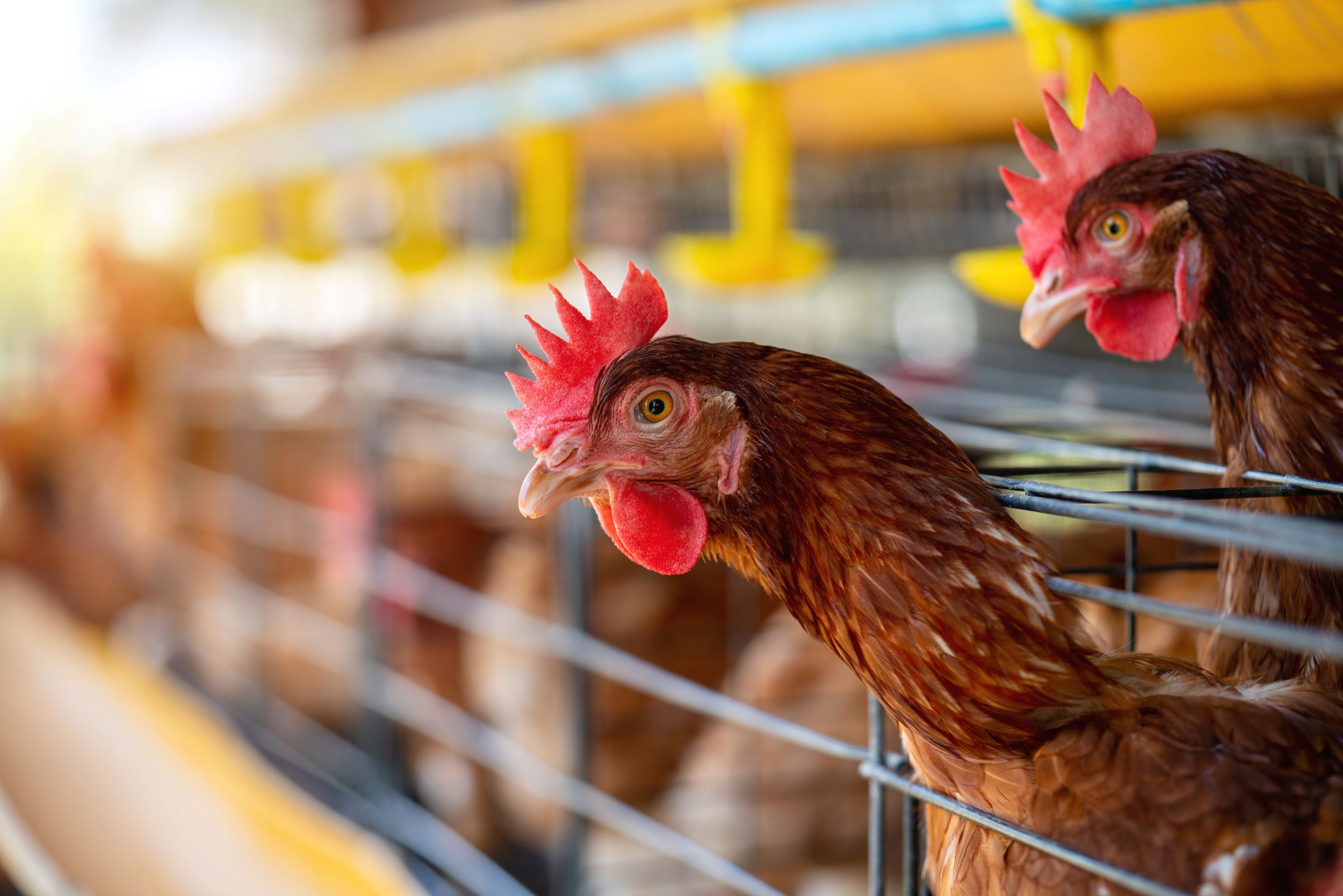
Cases of avian influenza in birds are on the rise in Spain, which has lost its disease-free status

Avian influenza has returned to Spain this summer. In addition to a few cases in wild birds, since 18 July there have been several outbreaks in poultry in different autonomous communities, causing the country to lose its disease-free status. To answer questions about the situation, its possible causes, evolution and consequences, SMC Spain organised an information session with researchers Inmaculada Casas, Ursula Höfle and Elisa Pérez Ramírez.


0

Sixth-generation fires in Spain: are we prepared?

The last few weeks have been marked by devastating fires in Spain and other European countries. In Catalonia, just days after a fire killed two people and burned 5,500 hectares in the province of Lleida, another fire broke out in the province of Tarragona, affecting more than 3,200 hectares and now stabilised, which resulted in another person's death. What are the characteristics of these large fires? How can we prevent them? The Science Media Centre Spain organised an informative meeting with two experts to answer these questions and clarify key concepts.

0